Artificial intelligence is evolving beyond tools that simply generate text or images. A new category of AI systems is emerging that can analyze information, connect different business systems, and help teams complete complex tasks.
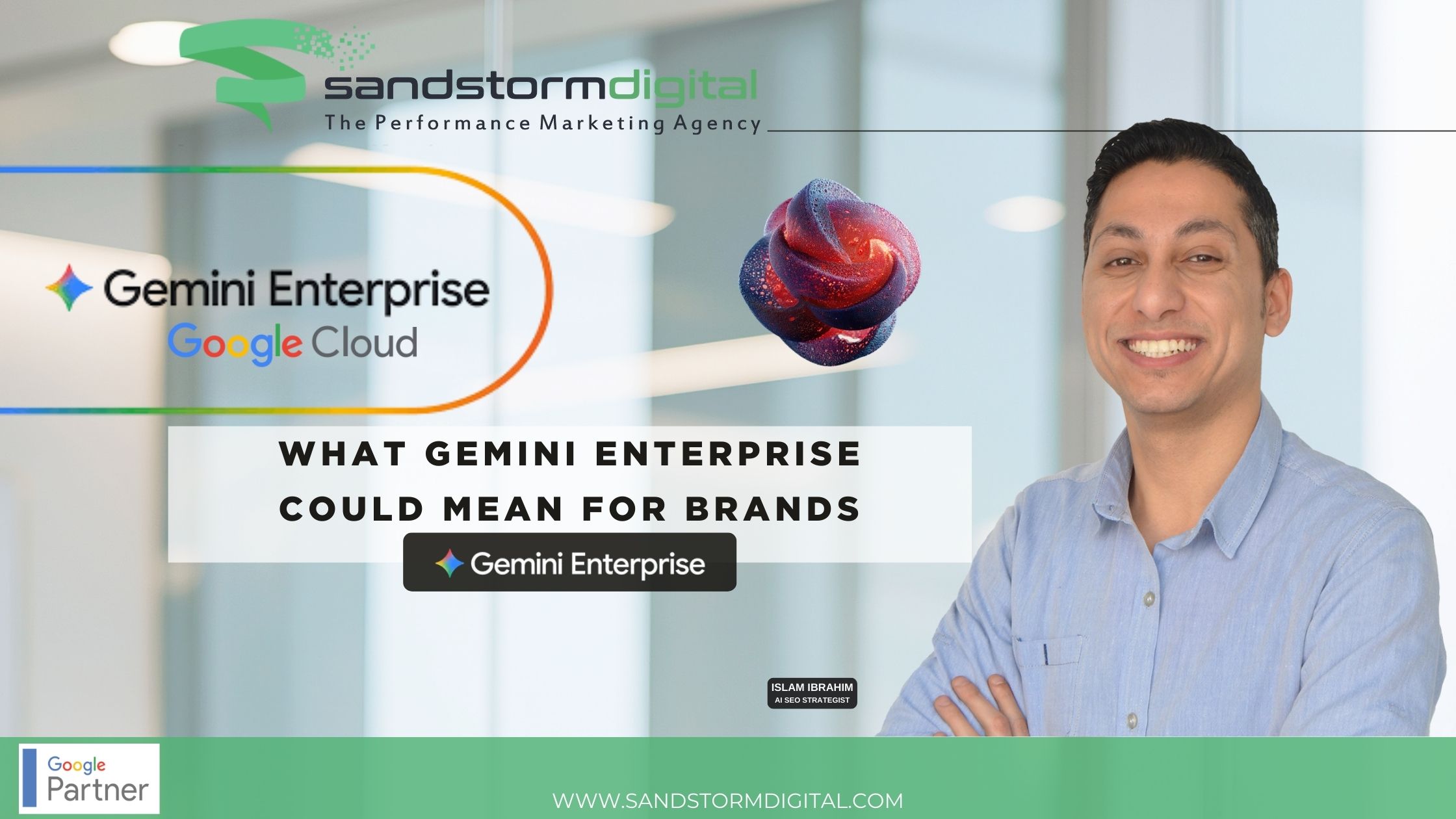
Google recently introduced Gemini Enterprise, a platform designed to bring these capabilities together. It allows organizations to build AI agents that can access company data, automate workflows, and support decision making across departments.
For brands, this shift is significant. As companies manage increasing amounts of data across marketing platforms, analytics tools, customer databases, and internal systems, the ability to connect and interpret this information quickly is becoming essential.
Below are several ways technologies like Gemini Enterprise may benefit brands.
A clearer understanding of performance across channels
Brands today operate across many digital touchpoints. Websites, advertising platforms, social media, e commerce systems, and CRM tools all generate data about customer behavior.
The challenge is that these insights often remain separated across different systems.
Gemini Enterprise is designed to connect these data sources so information can be analyzed together rather than individually. This can help brands understand how different channels influence each other and how marketing activity contributes to actual business outcomes.
Instead of reviewing each platform independently, companies can begin to see a more complete view of customer journeys and campaign performance.
Faster access to insights
Collecting and analyzing marketing data often requires time and coordination across teams. Reports must be prepared, dashboards reviewed, and information compiled from multiple sources.
AI systems that can query connected datasets make it easier to explore questions directly.
Teams could ask questions such as:
- Which marketing channels generated the highest quality leads this quarter
- What search trends are influencing customer demand
- Which campaigns contributed most to repeat purchases
The ability to analyze multiple data sources quickly helps organizations move from static reporting toward more continuous insight.
Reduced time spent on manual reporting
Many business teams spend significant time preparing reports and gathering metrics before they can focus on analysis.
AI agents can assist with parts of this process by collecting information from connected systems and summarizing the results.
This does not remove the need for human interpretation. Instead, it allows teams to spend less time compiling data and more time evaluating what the data means.
For brands, this can make internal discussions about performance more productive and focused on strategy.
Earlier identification of trends and opportunities
When insights are scattered across different tools, it can take time for patterns to become visible.
Systems that analyze data from multiple sources may help surface emerging trends earlier. For example, a brand might detect changes in customer behavior, shifts in search demand, or differences in campaign performance across regions.
Identifying these patterns earlier allows companies to adjust marketing strategies or product messaging before those trends become more obvious in the market.
Stronger connections between marketing and customer data
Marketing performance does not exist in isolation. Customer experience, sales performance, and product usage all contribute to the overall success of a brand.
Because Gemini Enterprise can connect with different enterprise systems, it can help combine marketing data with other business information such as sales pipelines, customer feedback, or product engagement.
This broader view helps organizations understand how marketing efforts influence real customer outcomes rather than focusing only on surface level metrics.
Supporting better decision making across teams
Modern brands rely on collaboration between marketing, sales, product, and analytics teams. When information is easier to access and analyze, these teams can work from a shared understanding of performance and customer behavior.
AI platforms that synthesize information across systems can support more informed discussions about where to invest resources and how to adapt strategies.
Instead of relying solely on periodic reports, teams can explore insights more continuously.
A broader shift in how brands use AI
Gemini Enterprise reflects a larger trend in enterprise technology. AI is moving beyond content generation toward systems that help organizations manage information and coordinate work.
For brands, the potential value lies in improving how data is interpreted and how quickly insights can inform decisions.
As marketing environments become more complex, tools that connect data sources and automate parts of the analysis process may help organizations focus more on strategy, creativity, and long term growth.
Relevant Reading:
Understanding Google’s New AI-Powered Search Experiences
FAQ
What is Gemini Enterprise?
Gemini Enterprise is Google Cloud’s platform for deploying AI across an organization. It allows companies to create AI agents that can access internal data, analyze information, and automate complex workflows across different business systems.
How is Gemini Enterprise different from regular generative AI tools?
Many generative AI tools focus on producing text, images, or code based on prompts. Gemini Enterprise goes further by connecting to enterprise systems and allowing AI agents to complete multi-step tasks such as gathering information, analyzing data, and supporting operational workflows.
How can Gemini Enterprise help brands manage marketing data?
Brands often rely on several tools such as analytics platforms, advertising dashboards, and CRM systems. Gemini Enterprise can connect these data sources and help analyze them together, making it easier to understand performance across channels and identify patterns in customer behavior.
Will Gemini Enterprise replace marketing teams?
No. AI platforms like Gemini Enterprise are designed to assist teams by reducing manual tasks such as compiling reports or searching across datasets. Strategic decisions, creative direction, and interpretation of insights still depend on human expertise.
What kinds of tasks can AI agents help automate?
AI agents can assist with tasks such as collecting data from multiple platforms, summarizing campaign performance, identifying trends in customer behavior, and preparing reports or insights for teams to review.
Why are companies interested in agent based AI systems?
Organizations generate large amounts of data but often struggle to turn that data into actionable insights quickly. Agent based AI systems help analyze information faster and coordinate work across different systems, which can improve decision making and operational efficiency.