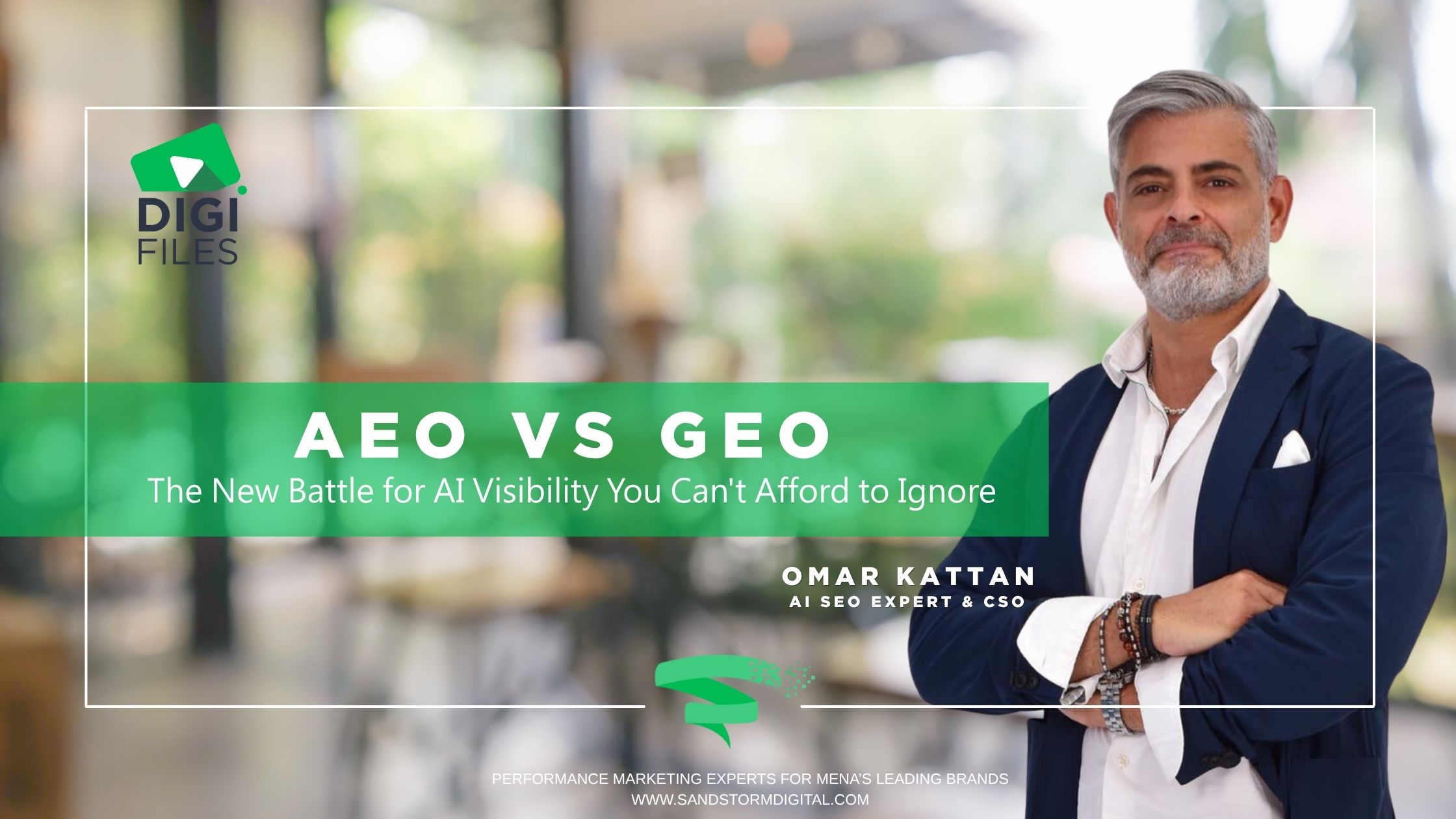
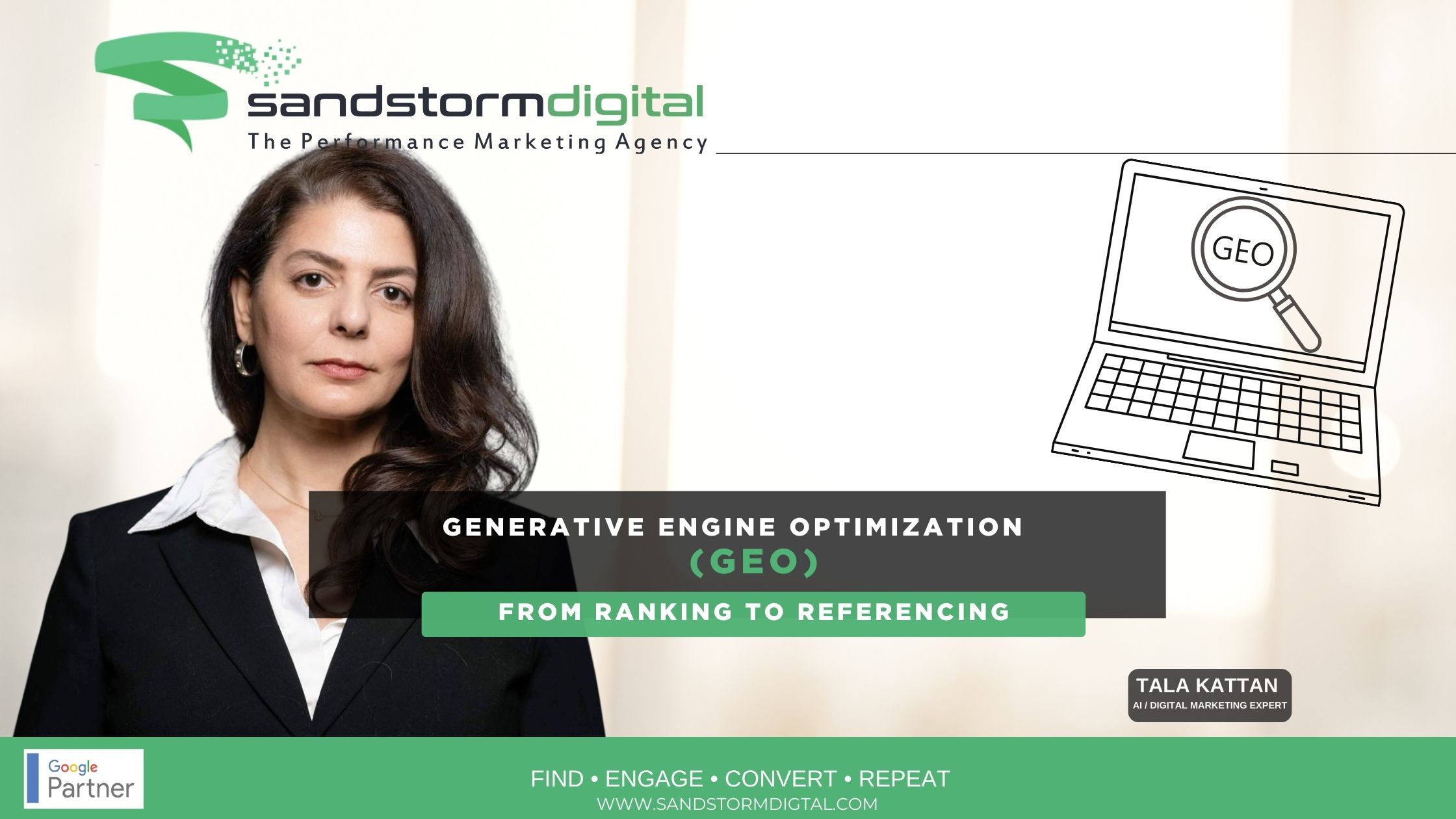
Search is changing quickly. The shift is not just about ranking on Google anymore, but about being referenced, summarized, and surfaced by AI systems.
This is where Generative Engine Optimization, or GEO, starts to matter.
Rather than replacing SEO, GEO builds on it. It reflects how content is now discovered through AI-driven interfaces like ChatGPT, Google’s AI Overviews, and other generative systems.
What is GEO in Practice
GEO is the process of structuring and creating content so it can be understood, selected, and reused by AI models.
Traditional SEO focused heavily on keywords, backlinks, and technical signals. GEO still values those, but adds a new layer. Content must now be:
- Clear and structured
- Factually consistent
- Context-rich rather than keyword-heavy
- Written in a way that AI can extract and recombine
In simple terms, SEO helped you rank. GEO helps you get referenced.
Why GEO is Gaining Attention
The rise of AI-generated answers has changed how users interact with search.
Instead of clicking through multiple links, users are increasingly getting direct responses. That shifts visibility from ranking positions to inclusion in AI-generated outputs.
This creates a new type of competition. You are no longer just competing for page one. You are competing to be part of the answer itself.
Interest in GEO is growing because of this shift, not because it is a completely new discipline, but because it reflects how discovery is evolving.
The GCC Context: Why It Matters Here
Markets like the UAE and Saudi Arabia are moving quickly in digital adoption. Government initiatives, high mobile penetration, and a multilingual population all accelerate how new technologies are used.
This creates a few specific dynamics:
- Content needs to work across English and Arabic contexts
- Users are comfortable adopting new interfaces quickly
- Businesses are already investing in AI-driven experiences
GEO fits naturally into this environment because it supports scale and personalization without requiring entirely new content pipelines.
For example, a brand operating in Dubai may need to produce variations of the same content for different audiences. GEO allows that content to be structured once and adapted more efficiently.
Key Elements of a GEO Approach
1. Structure Over Keywords
Content should be easy to parse. That means clear headings, direct answers, and logical flow.
AI models favor content that is easy to extract from, not content that is overly optimized for keyword density.
2. Depth and Context
Thin content is less likely to be reused. GEO rewards content that explains, connects ideas, and provides complete answers.
This does not mean longer for the sake of it. It means more useful.
3. Consistency Across Pages
AI systems look for patterns and reinforcement. If your site consistently explains a topic well, it increases the likelihood of being referenced.
4. Data and Iteration
This is where tools become important. Platforms like Rankspark help identify how content performs not just in traditional rankings, but in how it aligns with emerging AI-driven search behaviors.
That kind of visibility is still developing, but it is becoming essential.
GEO vs Traditional SEO
It is easy to frame this as a replacement, but that is misleading.
SEO still provides the foundation:
- Technical performance
- Indexability
- Authority signals
GEO builds on top of that by focusing on how content is interpreted and reused.
A useful way to think about it:
- SEO helps search engines find you
- GEO helps AI systems understand and cite you
Where GEO is Already Showing Impact
Certain industries are seeing faster adoption.
E-commerce
Product content that is structured clearly is more likely to be summarized in AI shopping results.
Finance
Clear explanations of complex topics are often pulled into AI-generated answers.
Healthcare
Accurate, well-structured information increases the chance of being surfaced in informational queries.
These are not new industries for SEO, but the way content is consumed is changing.
Challenges to Be Aware Of
GEO is not without complications.
- It is harder to measure directly compared to rankings
- It requires content quality, not just optimization
- It depends on systems that are still evolving
There is also a risk of over-automation. While AI can assist with content creation, unstructured or generic output tends to perform poorly in both SEO and GEO contexts.
What Comes Next
GEO will likely become a standard layer within SEO rather than a separate discipline.
As AI-generated results become more prominent, the focus will shift further toward:
- Clarity of information
- Authority and trust signals
- Content that can be reused across multiple interfaces
For GCC markets, where adoption cycles are fast, this shift may happen sooner than in more mature markets.
Final Thought
GEO is not about chasing a trend. It is about adapting to how information is now being delivered.
The fundamentals remain the same. Create useful, well-structured content that answers real questions.
The difference is that now, your audience is not just users. It is also the systems that decide what those users see.